


CODEPOLA opposes bill allowing police to check firearm licenses during traffic stops

By THE STAR STAFF
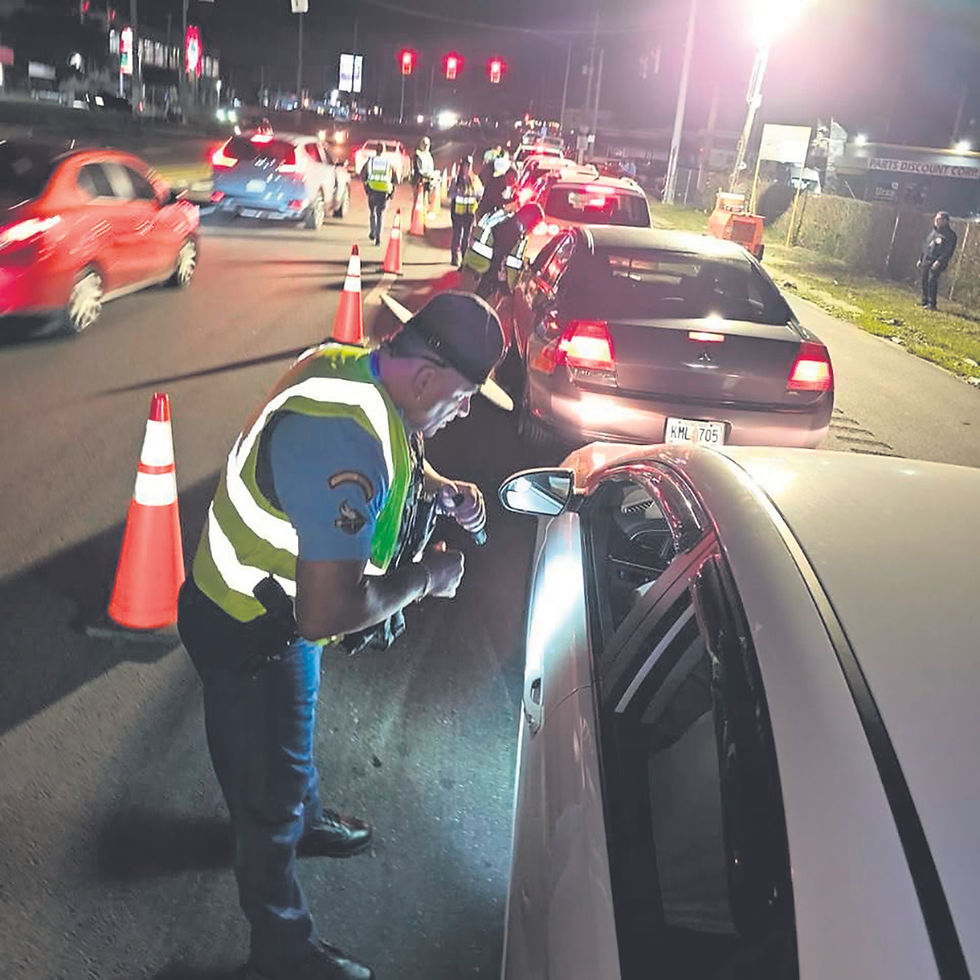
The Puerto Rico Corporation for the Defense of Licensed Firearm Holders (CODEPOLA) has come out against a proposed House measure that would allow police officers to check, during routine traffic stops, whether a driver holds a valid firearms license.
The organization argues that the proposal would expand access to confidential information without sufficient just cause.
House Bill 1472, filed by Representatives Héctor Ferrer Santiago and Félix Pacheco Burgos, seeks to amend Article 2.01 of Puerto Rico’s Weapons Act to add traffic stops to the list of exceptions that permit disclosure of firearms‑license data without a court order.
CODEPOLA president Ariel Torres Meléndez said the bill goes far beyond updating a technological tool. “The bill does not limit itself to modernizing a technological resource. It expands the circumstances in which protected information may be revealed without judicial authorization,” he said in written remarks. He added that lawmakers must explain what deficiency exists, why a new exception is needed, and what safeguards would prevent misuse of the information.
Although the Police Bureau maintains license records through the Electronic Registry of Weapons and Licenses (REAL), Torres Meléndez argued that this administrative function does not justify routine access to the data during a traffic stop. “A traffic infraction, by itself, does not demonstrate that it is necessary to know whether the citizen possesses a firearms license,” he said.
The organization also questioned the usefulness of the information in the context of an intervention. Knowing that a person has a valid license, it said, does not confirm whether the individual is armed, nor does it replace the safety protocols officers must apply based on the circumstances of each stop.
The bill would limit the query to confirming whether a license is valid and would prohibit using that information as the sole basis for conducting a warrantless search. Still, CODEPOLA warned that the measure could lead to unjustified delays, improper seizure of weapons, or decisions based on inaccurate data.
“Compliance with the law should not become, by itself, evidence of dangerousness,” Torres Meléndez said. “The existence of a license cannot be treated as automatic authorization to expand the intervention or presume that the citizen represents a threat.”
The group urged lawmakers to consider constitutional protections related to privacy and unreasonable searches and seizures. It cited federal court decisions on the limits of traffic stops and lawful gun possession, while acknowledging that those rulings do not directly resolve the constitutionality of the proposal.
CODEPOLA also raised concerns about the bill’s requirement that records be updated every 30 days, noting that the measure does not establish a process to immediately correct potential errors. It called for mandatory access logs, officer identification, independent audits, limits on data retention, and penalties for misuse.
The organization asked the Legislature to reject the bill as drafted and hold public hearings to examine its necessity, cost, effectiveness, and potential constitutional consequences. Torres Meléndez added that lawmakers should focus on fixing existing delays in issuing and digitizing firearms licenses rather than creating new mechanisms to scrutinize law‑abiding citizens.
“It’s easy to keep legislating for the decent citizen. The hard part is detecting those who operate in the shadows. Policing the compliant citizen does not replace combating the criminal,” he said.


