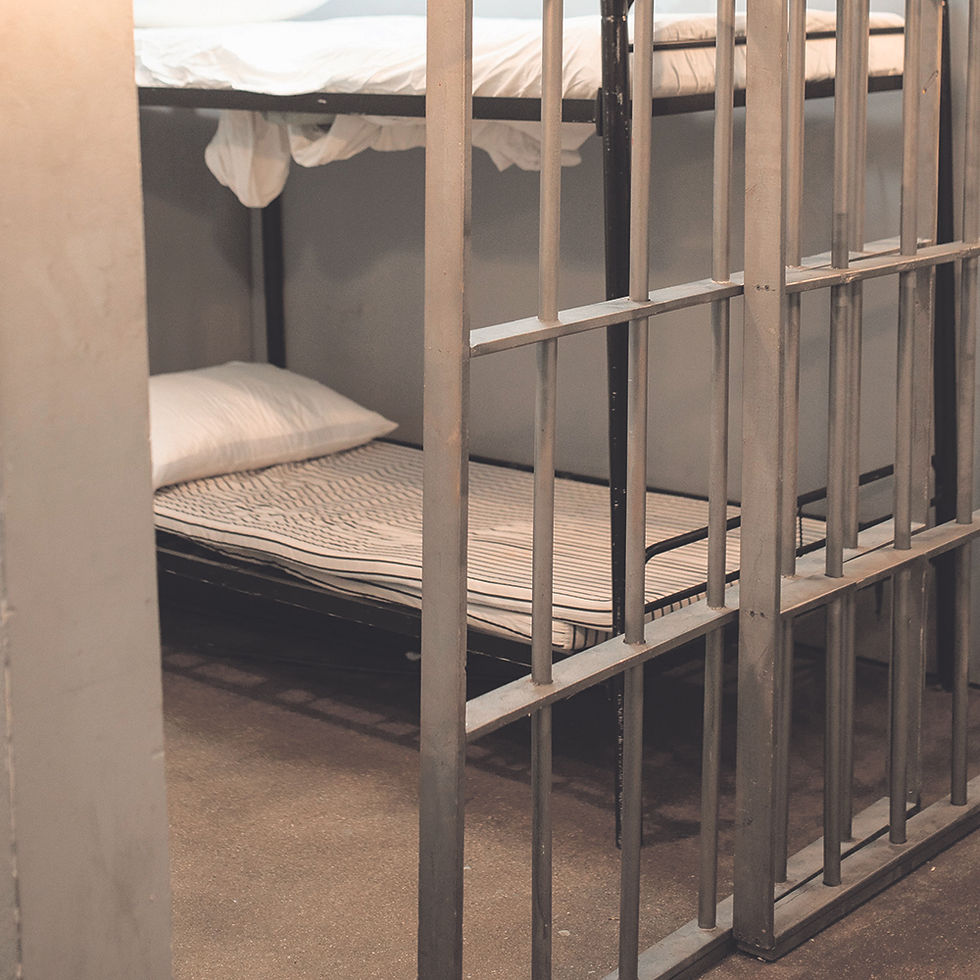
House to increase oversight of facilities serving adults with intellectual disabilities


By THE STAR STAFF
The Puerto Rico House of Representatives will step up oversight of residential facilities serving adults with intellectual disabilities following a recent case under investigation for alleged neglect of participants.
Gabriel Rodríguez Aguiló, chairman of the House Health Committee, said Wednesday that he plans to conduct unannounced visits to facilities to assess the conditions in which participants are living.
“Those that have 100 participants, I’m going to visit them,” Rodríguez Aguiló said during a public hearing reviewing information requests submitted to several government agencies. “We want to see what is happening there.”
The lawmaker described some facilities as businesses receiving substantial public funding, with residential services costing up to $6,413 per participant per month, according to Department of Health data.
Rodríguez Aguiló pointed to a facility for geriatric and psychiatric patients that the Health Committee visited earlier this year. Its administrators were charged in September 2026 over alleged acts of abuse against participants. Although the committee found the facility in good condition and patients appeared satisfied, the visit raised concerns among lawmakers.
“This is an invisible issue in Puerto Rico unless a particular case draws media attention,” Rodríguez Aguiló said.
Danniel Soto, executive director of the Department of Health’s Section of Services for Adults With Intellectual Disabilities (SSPADI), said the program had 802 participants as of March 2026. Of those, 490 received services through 91 residential, substitute, group and behavioral homes, while 312 received services through family homes, residential arrangements or community-based support.
Soto said SSPADI certifies homes and institutions providing residential services but does not have the authority to grant or revoke operating licenses.
Meanwhile, government agencies told lawmakers that services for adults with disabilities are spread across multiple programs. Family Secretary Suzanne Roig said her department provides assistance and protective services but does not offer specialized services specifically for people with intellectual disabilities.
The Mental Health and Anti-Addiction Services Administration (ASSMCA) reported 45 participants with intellectual disabilities receiving outpatient services and living in agency-supported homes.
Housing Secretary Luis Augusto Martínez said his department has no program specifically assisting adults with disabilities in senior residential facilities. However, he reported that Housing assists 13,739 adults age 62 and older, including 7,772 who report having a disability.