Legislator calls for probe into gov’t pay‑scale plan amid worker complaints

By THE STAR STAFF
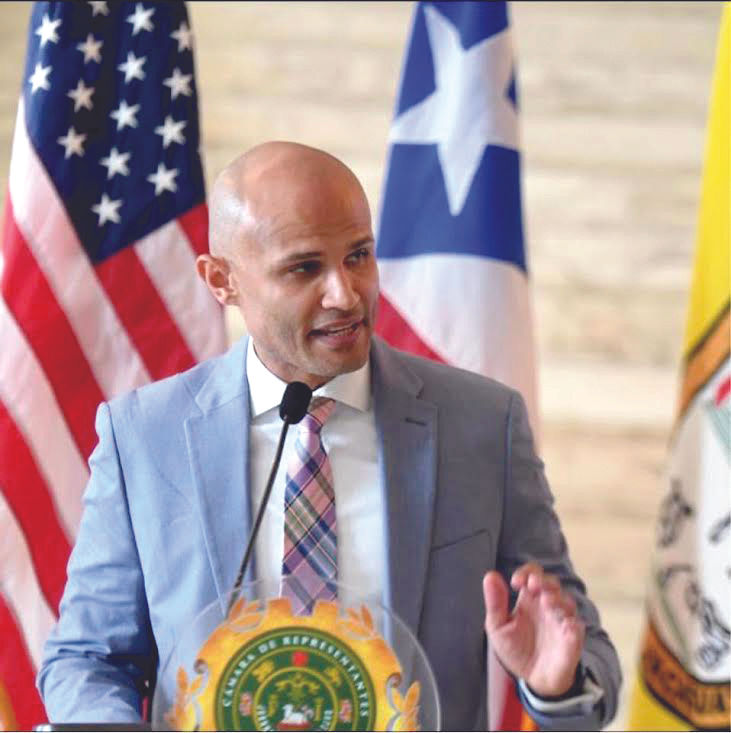
Rep. Domingo J. Torres García filed a resolution earlier this week seeking a full investigation into how the government is implementing its new Classification and Retribution Plan, following growing complaints from public employees who say they were left out of salary adjustments and have not been told whether they will qualify in future phases.
Torres García, the Popular Democratic Party’s alternate minority leader in the island House of Representatives, said the Legislature has an obligation to oversee the rollout of the plan and ensure that workers receive clear, transparent information about their compensation.
“Public employees across agencies and political ideologies are raising a legitimate concern,” Torres García said. “They feel the rules for achieving salary justice in government have changed. There are people with years of experience who did not receive an adjustment and still don’t know if they will be included later. That cannot go unexplained.”
House Resolution 831 directs the Committee on Labor and Industrial Relations to investigate the plan’s implementation, its upcoming phases, and the scope of Special Memorandum No. 14‑2026 issued by the Office of Administration and Transformation of Human Resources. The memorandum requires agencies covered under Law 8‑2017 to submit detailed employee information, including names, monthly salaries, and changes in duties or positions. It also requests data from entities exempt from the law that have updated their own classification and pay plans.
Torres García argued that despite years of work on the plan and the completion of an initial phase, many public employees still lack answers.
“Now agencies are being asked for more information, but employees need to know what this means for them — what stages remain and when they might receive an adjustment. Uncertainty is also a form of injustice,” he said.
The legislator emphasized that public employees are essential to maintaining government services and that salary discussions must consider the broader economic impact of improving conditions for workers.
“When we talk about a salary increase, we’re talking about a family facing high living costs, a worker who has served the country for years, and money that circulates back into our communities,” Torres García added. “Salary justice is also an investment in Puerto Rico.”
The resolution authorizes the committee to hold public hearings, summon officials and labor organizations, request documents and conduct site visits. It requires the committee to submit findings and recommendations within 90 days of approval.
Torres García also sent a formal communication to Committee Chair Roberto J. López Román requesting prompt action on the measure and special attention to the concerns raised by public employees.
“This investigation should not become a partisan fight,” he said. “Public employees from different parties and sectors are asking for the same thing: clarity, transparency, and justice. My commitment is to ensure their voices are heard and to determine what happened to those left out of the adjustments and what alternatives exist to make things right.”