Rangers crack down on illegal fishing.


By THE STAR STAFF
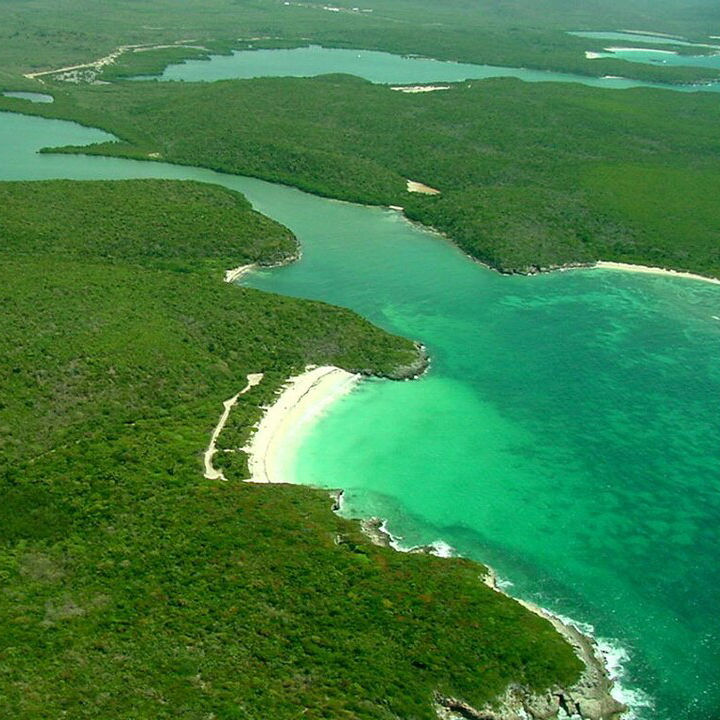
The Secretary of the Department of Natural and Environmental Resources (DRNA), Waldemar Quiles, announced that members of the Ranger Corps, assigned to the Piñones Maritime Unit, carried out several interventions yesterday, Monday, against individuals practicing illegal fishing in the Isla de Cabra area.
The violations were of Fishing Regulation Number 7949 of November 2010, as well as Law 278-1998, better known as the ‘Puerto Rico Fisheries Law,’ which establishes the parameters for fishing in Puerto Rico. “Yesterday afternoon, Monday, members of the Ranger Corps intervened with individuals practicing illegal fishing in the Isla de Cabra area, violating regulations and current laws, including the use of chemicals in the water. I want to emphasize that the use of chlorine or other chemical substances for fishing is a misdemeanor, prosecutable in court,” the Secretary explained.
The head of the Department of Natural and Environmental Resources (DRNA) indicated that each illegally captured organism constitutes a violation with fines starting at $100.00 per violation and reaching a maximum of $5,000.00, according to current regulations. During the operations, recreational fishermen were caught freediving (apnea) using harpoons and gaffs, as well as the illegal use of chemicals (chlorine), which is strictly prohibited by law.
The violations regarding lobster included the capture of specimens below the minimum legal size of 3.5 inches in shell length, and all were caught using gaffs, a prohibited practice. For conch, the limit for recreational fishing was exceeded, with each fisherman exceeding three conch. Regarding octopus, fishing was detected using chlorine (Bloox), which is an illegal method.
“The DRNA urges all recreational fishers to comply with the laws and regulations established for the protection of our marine resources. The use of illegal methods and the capture of unregulated species seriously harm ecosystems and carry severe penalties. Our members of the Ranger Corps will continue to reinforce surveillance along the coasts and in the marine protected areas of Puerto Rico,” Quiles concluded.