What to know about Isaias, the first Atlantic hurricane of the season

By MAIA SPOTO
A deluge of rain and heavy winds has battered the Gulf Coast as Isaias toppled trees and knocked out power for hundreds of thousands, leaving at least four people dead.
Isaias was the first Atlantic hurricane during what was otherwise a relatively quiet season. After forming in the Gulf of Mexico, the storm became powerful quickly, reaching Category 3 status at its peak.
It was downgraded to a Category 2 hurricane before it made landfall in the Florida Panhandle, near Destin, on Friday, with winds up to 105 mph. Shortly after, it weakened considerably, and by Saturday afternoon, much of the region was reopening.
But parts of the southeastern United States are still at risk of flash flooding as the storm moves north. And hundreds of thousands were still without electricity across the region.
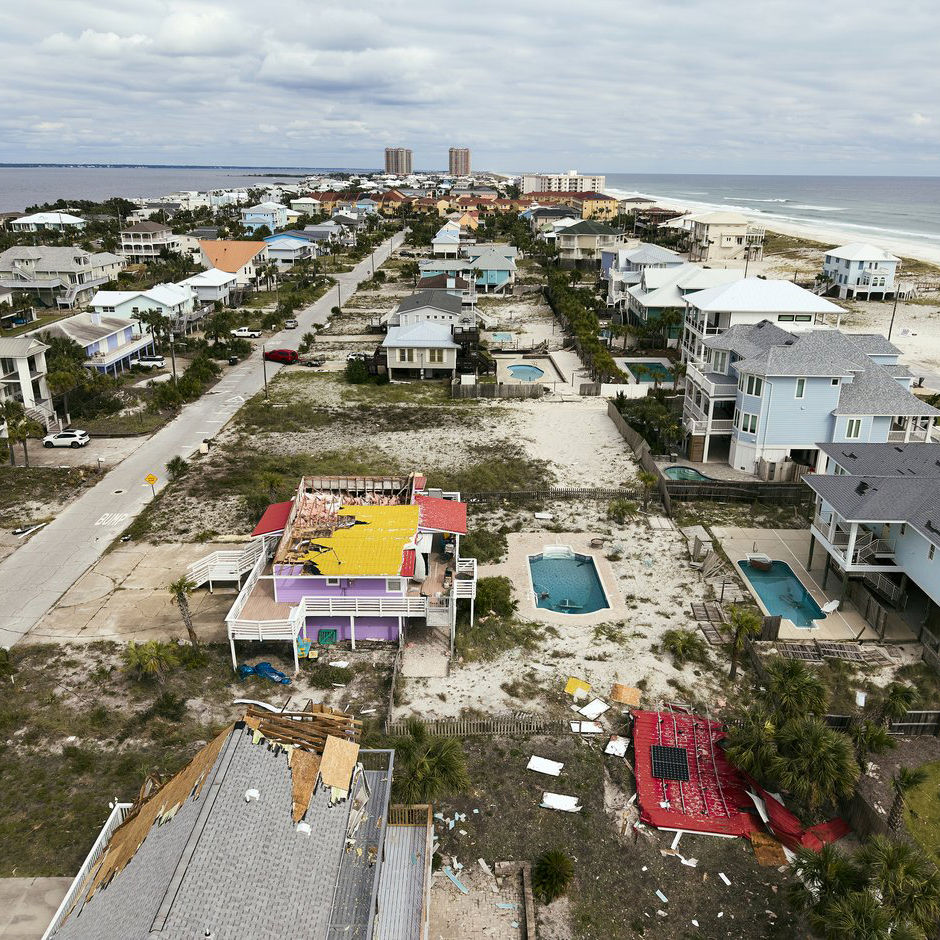
Crews along the coast were cleaning up debris and surveying the damage, which was bad but not as disastrous as residents and officials had feared. Still, trees smashed into homes and cars. Roads were flooded. Roofs were torn off, awnings were shredded and street signs were dangling.
Here’s what to know about the storm:
Isaias’ path
Isaias is the first hurricane to strike the mainland United States in two years — the last one was Milton, which hit Florida’s west coast, near Sarasota, in October 2024.
After coming ashore near Destin as a Category 2 hurricane late Friday, Isaias was quickly downgraded, which is typical as a storm moves inland. By Saturday, it weakened to a post-tropical cyclone, with winds up to 35 mph.
As Isaias moves north, it is expected to bring downpours in Georgia and parts of the southern Appalachians. Intense rain was forecast to drench North Carolina’s mountainous west Saturday night.
The storm also prompted several tornado warnings in eastern Georgia as well as central and southern South Carolina.
By Sunday, the storm is expected to cross the mid-Atlantic region.
Deaths
At least four people have died in storm-related accidents in Florida and Georgia, according to state and local officials.
Two people — one in Florida and one in Alabama — were killed when trees smashed onto their homes.
One person in Alabama died after a traffic accident involving fallen trees, according to emergency management officials in the state. And one Florida man died in a garage where a generator was running, possibly from carbon monoxide poisoning, Gov. Ron DeSantis said.
More details about the people who were killed, including their names, have not yet been made public.
Storm surge and forecasts
The storm was expected to push a swell of ocean water ashore along hundreds of miles of the Gulf Coast, bringing floods to normally dry areas. But the surge wasn’t as high as anticipated in many areas.
Winds dragged water away from the shore in stretches of the area around Mobile, Alabama. In Destin, the surge was measured at around 4 feet, despite initial forecasts of between 6 and 9 feet.
East of Destin is where the water likely surged the most, said Morgan Barry, a senior meteorologist at the National Weather Service office in Mobile, which covers the western Florida Panhandle.
Given the less-than-disastrous effects so far from Isaias, some people on social media questioned the accuracy of the forecasts leading up to the storm’s landfall. But Jason Beaman, the meteorologist in charge at the Mobile office, said that he thought the National Hurricane Center’s forecasts were “very good” and that the minor shifts were normal.
Damage on the gulf coast
In northwest Florida, winds from the hurricane downed trees, fences, RVs, and signs for restaurants and mini-golf courses. The ground was littered with broken branches. An abandoned travel trailer was ripped apart, leaving just a pile of debris.
Still, many residents Saturday voiced relief after Isaias passed the region, as they inspected the damage and found it to be less catastrophic than they had braced themselves for.
Residents in the region are used to being buffeted by hurricanes, including Sally in 2020. Before Isaias’ arrival, beach towns hunkered down, boarding up restaurants and shuttering windows. The storm spoiled plans for the National Shrimp Festival along the Alabama coast, which normally brings tens of thousands of people to the region’s beaches annually.
In Mary Esther, Florida, Maria Hernandez, 75, and her son, Louis Hernandez, 59, said a tree had blown down during the storm but missed their house. A transformer had exploded across the street, scaring their dogs. But their weather-beaten house, built in 1968, has been through plenty of hurricanes and was still standing.
Louis Hernandez said he would celebrate by gathering seashells.
“The best time to find them is after a hurricane,” he said.