Agriculture chief defends hike in minimum payment to coffee growers

Leading ‘caficultor’ rips gov’t for ‘indifference and neglect’ toward sector
By THE STAR STAFF
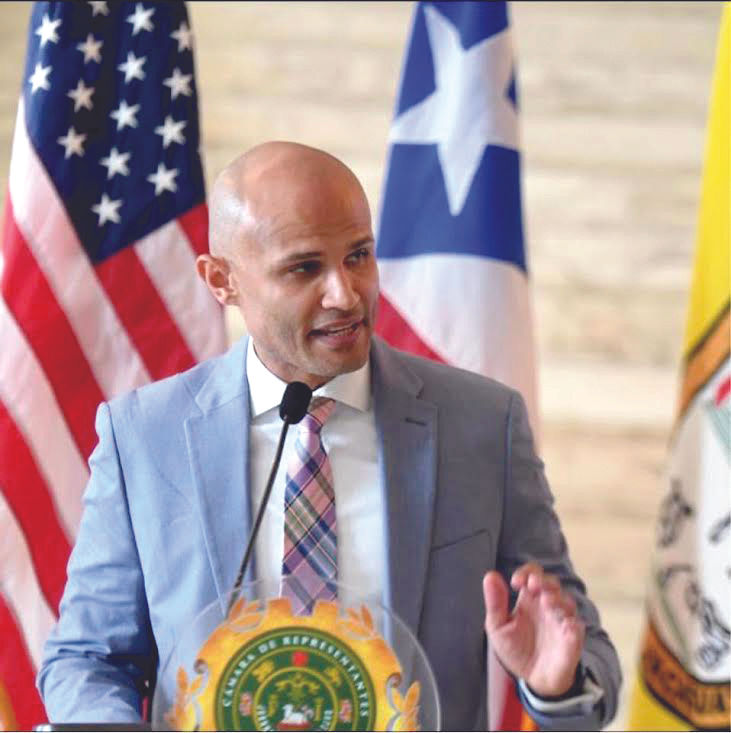
Agriculture Secretary Irving Rodríguez Torres on Tuesday defended the island government’s decision to raise the minimum price paid to local coffee growers, while prominent grower Pedro Bengochea criticized what he described as chronic delays and government “indifference” toward the industry.
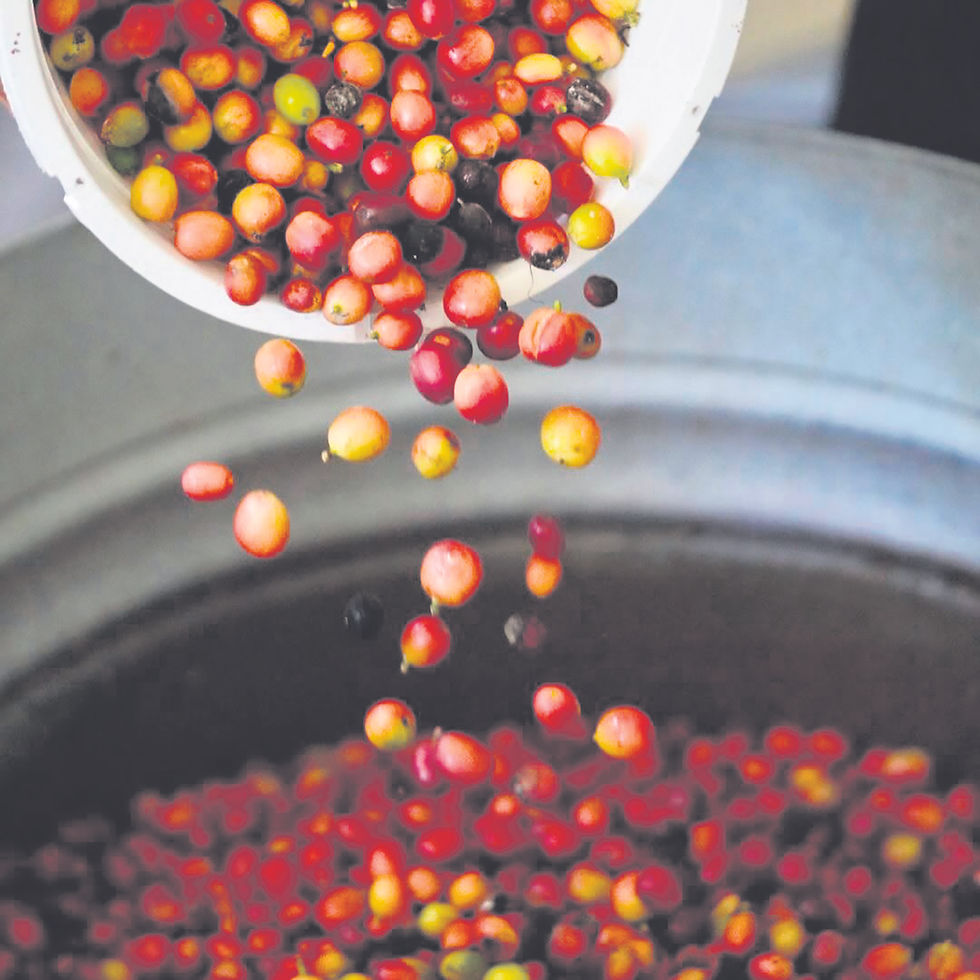
In an interview on “Normando en la Mañana” (NotiUno 630), Rodríguez Torres said the increase -- from $18 to $22 per almud (a dry goods measure roughly equal to 4.6 liters) for 100% Puerto Rican ripe coffee beans -- was overdue after 15 years without a price review.
“This is simply doing justice for the farmer after 15 years,” he said, adding that the adjustment would have limited impact on retail prices because local production represents only 33,000 quintales (about 7,275,255 pounds) out of the 300,000 consumed annually on the island.
Rodríguez Torres also addressed the rise in the price of imported coffee, noting that the Department of Agriculture had held off for a year to avoid burdening consumers. He said the agency had been absorbing losses tied to a 1960 tariff structure that reduces the cost of imported coffee by $200 per quintal, explaining that a 14‑ounce bag that sells for $5 could cost nearly $14 if the full tariff were applied.
“We don’t want to import coffee under those conditions; we do it out of necessity,” he said.
Responding to criticism that the government profits from the coffee purchase program, Rodríguez Torres insisted that none of the revenue is used for payroll or departmental expenses. He added that the agency has already completed payments for the second and third quarters and expects to issue fourth‑quarter payments next week, urging any grower still awaiting reimbursement to visit regional offices.
Bengochea, interviewed separately on the same program, offered a starkly different view. He said he had “never seen such indifference and neglect” toward the coffee sector from any administration. Although he acknowledged that federal aid has been “faster and more efficient,” he noted that this year he received approval for only a $100 subsidy.
He emphasized that growers have been forced to meet payroll obligations -- including Social Security, unemployment insurance and State Insurance Fund payments -- without timely reimbursement from the government.
“We had to comply with all payroll requirements, but they have not been able to pay us on time,” Bengochea said.
The contrasting statements highlight ongoing tensions within Puerto Rico’s coffee industry as growers navigate rising production costs, delayed government payments and a market heavily dependent on imported beans.