Energy Bureau cancels LUMA charges against Camuy.

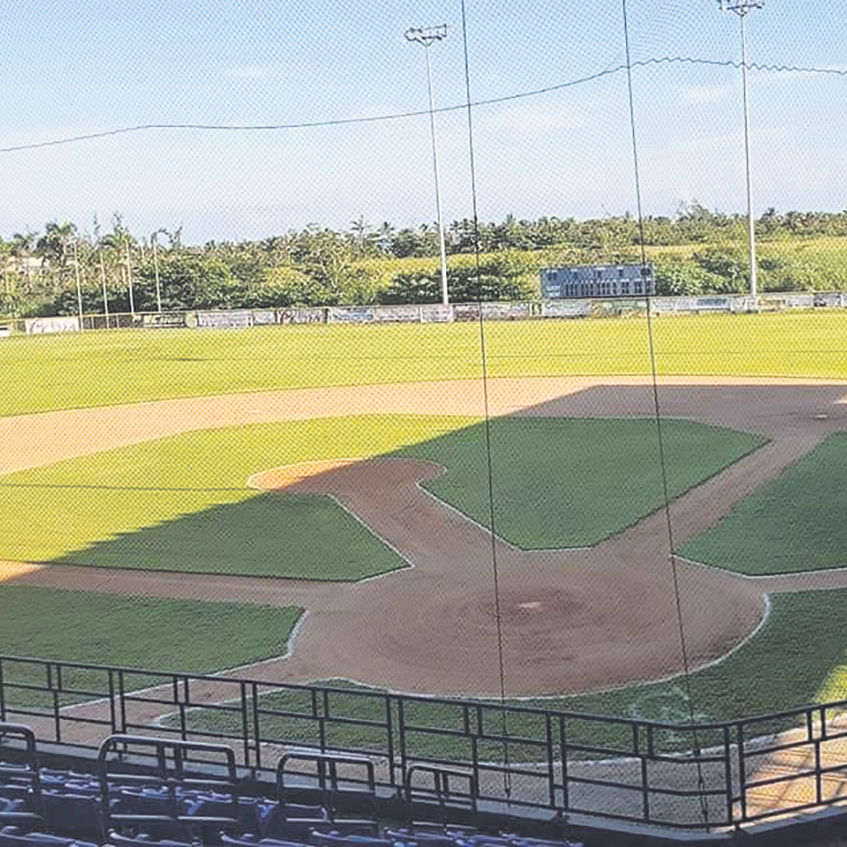
Regulator’s order reinforces protections for municipal public facilities
By THE STAR STAFF
In a decision with wide‑ranging implications for municipalities across Puerto Rico, the Puerto Rico Energy Bureau (PREB) has ordered private grid operator LUMA Energy to cancel all disputed electricity charges billed to the Municipality of Camuy for six municipal facilities, ruling that the charges were legally improper under the Contribution in Lieu of Taxes (CELI by its acronym in Spanish) framework.
The ruling not only wipes out the accumulated debt claimed by LUMA, but also strengthens protections for public, non‑profit municipal facilities islandwide. Beyond Camuy, the ruling sends a clear signal to utilities and municipal governments alike. It reinforces that CELI eligibility depends on the actual public, non‑profit use of a facility -- not on inconsistent administrative classifications over time. It also affirms that utilities cannot retroactively collect charges where they later concede that a facility qualifies for CELI protection.
The unanimous Final Resolution and Order, issued on Monday, conclusively rejects LUMA’s attempt to continue collecting an accumulated electricity debt linked to installations that the utility itself has since acknowledged qualify for inclusion under CELI.
The case originated in August 2025, when the Municipality of Camuy filed a formal complaint challenging electricity charges associated with six municipal facilities, including the Camuy Urban Park -- also known as Parque de Pelota Juan “Cheo” López. According to the municipality, the facilities are used exclusively for public, community, recreational or athletic activities and do not operate for profit, making them eligible for CELI coverage.
CELI is a long‑standing statutory mechanism designed to compensate municipalities for the electric utility’s exemption from municipal taxes, while allowing public, non‑profit municipal facilities to receive electricity service without bearing the full direct cost, subject to regulatory caps.
LUMA countered by arguing that Camuy’s claim amounted to a belated objection to past electricity bills -- a procedural flaw that, it claimed, deprived the PREB of jurisdiction.
The PREB rejected that argument outright. At the heart of the ruling is a clear distinction drawn by the regulator between a late billing complaint and an ongoing legal challenge to the validity of a debt.
The PREB determined that Camuy was not disputing individual electricity bills after the fact, but rather contesting the legality of LUMA’s continued collection of a debt whose legitimacy depends on the classification of the facilities themselves. As long as LUMA continues to demand payment, the controversy remains live and within the agency’s jurisdiction, PREB said.
That clarification is expected to resonate beyond Camuy, as it prevents utilities from insulating disputed charges behind procedural deadlines when the underlying legal basis for the charges is in question
A central factor in the decision was LUMA’s acknowledgment during the proceedings that five of the six facilities are currently included under CELI. The PREB found no evidence that the nature, use or function of those facilities had changed during the earlier periods for which LUMA was seeking payment.
As a result, the PREB concluded that maintaining charges for prior periods based on a contradictory classification was legally untenable.
Allowing such charges, the ruling states, would effectively validate an artificial distinction between time periods that is unrelated to any actual change in the facilities themselves, while undermining the uniform and reasonable application of the CELI program.
The decision also addresses the Camuy Urban Park, which LUMA had previously excluded from CELI. The administrative record showed no material dispute regarding the park’s non‑profit, recreational and public character, nor any evidence of commercial use that would justify exclusion.
In its final orders, the PREB denied LUMA’s motion to dismiss and cancelled the debt of all six facilities.