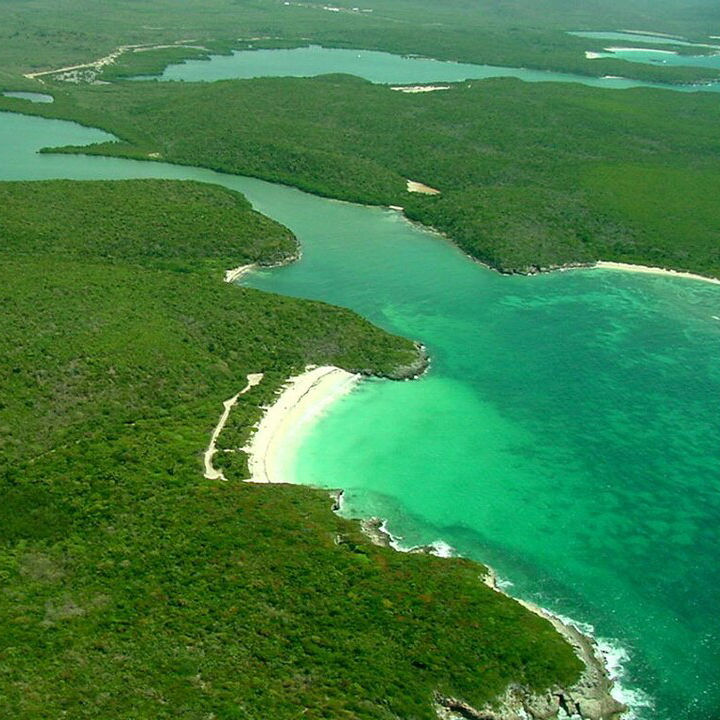
Esencia to have its own energy & water systems.


Developer denies Cabo Rojo project will strain resources
By THE STAR STAFF
Roberto Ruiz Vargas of Three Rules Capital, the developer behind the proposed Esencia project in Cabo Rojo, said the development is designed to address poverty, inequality and access to essential services in Puerto Rico’s southwest, citing job creation and plans for independent water and renewable-energy systems.
Ruiz Vargas’ remarks to the STAR were issued in response to a statement from the Department of Psychology at the University of Puerto Rico’s Mayagüez Campus (RUM by its acronym in Spanish), which said it opposes the project and warned it could worsen existing hardship and strain basic resources in the region.
In a written statement, Ruiz Vargas said Esencia’s publicly filed plans call for creating more than 4,000 direct jobs and that many of those positions would pay several times the region’s current median household income, which he put at $17,000.
He said the project would operate independently from municipal water systems by using on-site sources and reuse rainwater and treated wastewater for irrigation, and that the developers are exploring ways to help improve public water infrastructure as part of the broader review process.
On energy, Ruiz Vargas said Esencia is intended to run on a solar-first, 100% renewable system and could generate surplus power to feed back into the local grid when needed.
“We respect and value public input and share the RUM Psychology Department’s concerns about poverty, inequality and access to essential services across the island’s southwest,” he stated.
Department officials did not immediately provide a response.
The RUM Psychology Department said last week that its opposition is rooted in concerns about the availability and affordability of basic resources and the potential for a large-scale development to deepen economic hardship in Cabo Rojo and nearby municipalities, including San Germán, Lajas, Sabana Grande and Yauco.
“Our goal is to be part of improving the living conditions of the families we serve,” said Lizzie García Pabón, the department’s director. “That is why we must warn about the potential harm this project represents. Health and opportunities for social and economic mobility would be compromised, with predictable effects on mental health.”
The department cited U.S. Census figures indicating 43.7% of children ages 0 to 17 in Cabo Rojo live in poverty and said about 35.8% of the municipality’s population lived below the poverty line in 2023, with some areas exceeding 60%. It also said researchers and experts have warned the project could strain access to essential services, including drinking water and electricity.
Eduardo A. Lugo Hernández, a professor in the department and a former executive director of Puerto Rico’s Commission to Combat Child Poverty and Social Inequality, said economic development should prioritize equity, reliable access to essential resources and living-wage jobs.
The statement also warned that increased demand tied to the development could raise prices for basic goods and services such as water, electricity and food, and said higher housing demand could add to displacement pressures in communities including Boquerón, El Combate and Corozo.