


CRIM doesn’t directly say if it will raise property taxes
- The San Juan Daily Star

- Feb 25
- 2 min read

By THE STAR STAFF
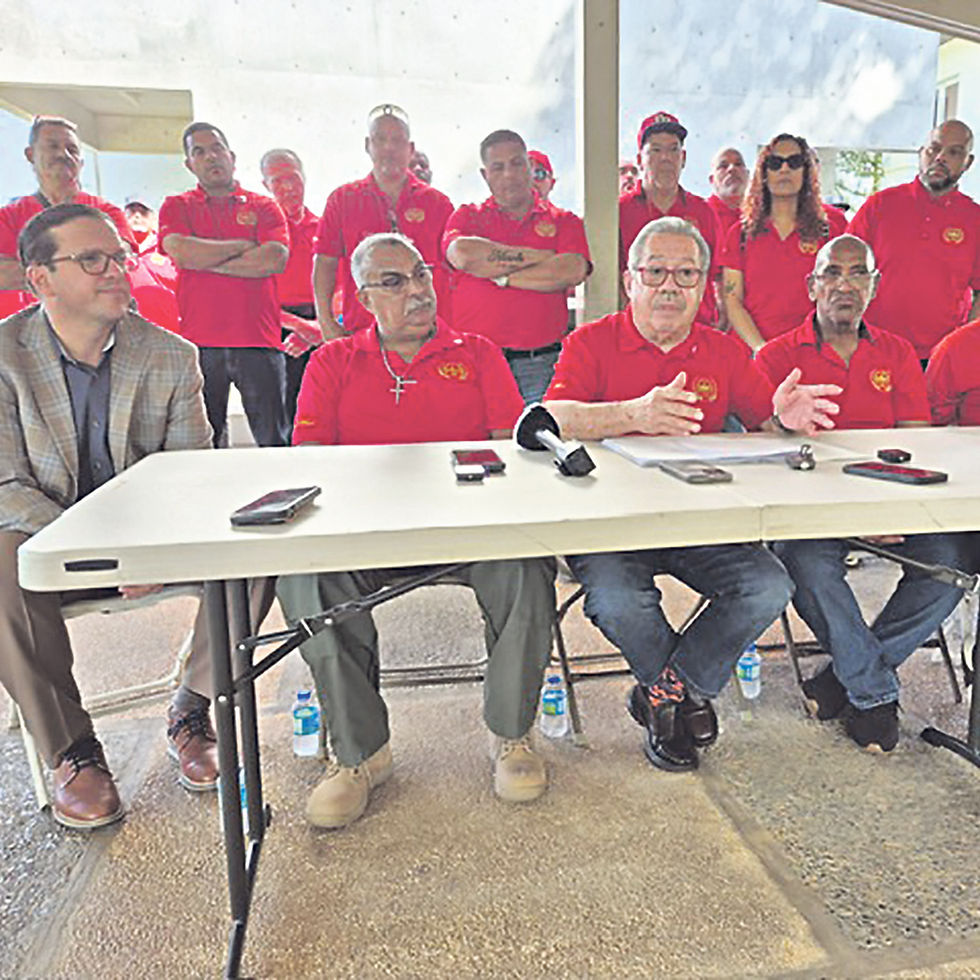
Municipal Revenue Collections Center (CRIM by its acronym in Spanish) Executive Director Javier García Cintrón outlined several new initiatives Wednesday at the monthly meeting of the Mayors Federation in Gurabo but did not say whether property taxes will be raised.
García Cintrón said the agency is advancing projects aimed at improving property tax records and taxpayer services across Puerto Rico. Among the initiatives is the hiring of appraisers and investigators to help municipalities address so-called “John Doe” cases and update tax records.
As part of the “CRIM in Your Municipality” program, officials will visit towns to provide direct service to taxpayers unable to travel to regional offices. Residents will be able to receive certifications, make payments by card, and request services on the spot by presenting the required documentation, García Cintrón said.
The official also announced two new administrative orders. Order 2026-002 authorizes the retroactive issuance of invoices on previously assessed property improvements, while Order 2026-003 seeks to identify cases where structures are built on land belonging to others but form part of a main property and lack proper title for tax registration. García Cintrón emphasized that this initiative is solely for tax purposes and does not constitute legal recognition of ownership before other government agencies.
Additionally, CRIM is addressing the Municipal Property Registry for tax purposes and the corresponding exemptions, García Cintrón said.
The primary goal of expanding the registry is to increase revenue for municipalities. CRIM aims to generate additional millions annually by targeting thousands of unregistered properties. While property taxes might rise generally, investors under Act 60 would still benefit from an exemption on real and personal property.
According to the Progress and Poverty Institute, raising property taxes in Puerto Rico, often driven by the CRIM’s efforts to register thousands of properties and stabilize municipal finances, will likely cause a significant social and legal crisis, particularly for residents in informal settlements facing potential displacement. It may increase the cost of living and, if implemented unevenly, accelerate the trend of local residents being priced out of coastal and urban areas by investors, a situation already under scrutiny.
Residents, particularly in popular coastal areas, could face higher housing costs, potentially pricing out long-term locals due to increased property values and tax liabilities. Increased enforcement, such as taxing previously unregistered homes (often informal settlements), may cause a social and legal crisis, as noted by the institute.


Comments