


Museum of Entomology and Tropical Biodiversity reopens after remodeling in Río Piedras

By THE STAR STAFF
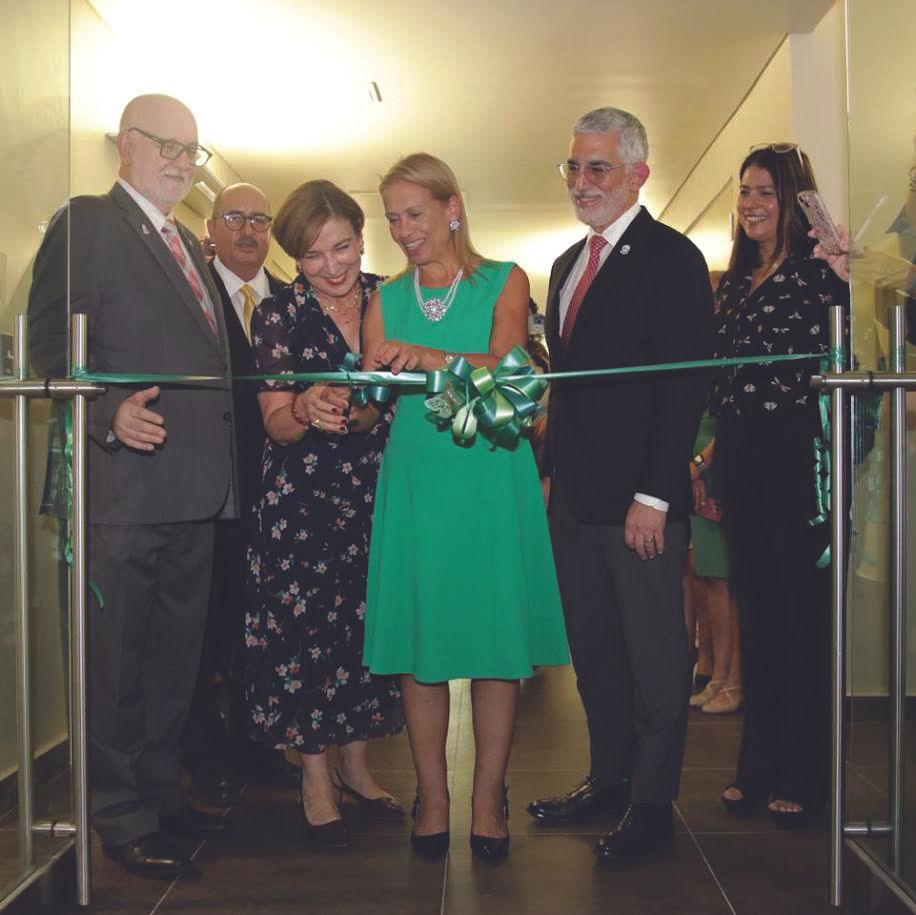
Museum of Entomology and Tropical Biodiversity Director Rosa Amelia Franqui announced the reopening of the facility on Tuesday during a ceremony held at the North Botanical Garden in Río Piedras, where the museum’s scientific and educational value for Puerto Rico was highlighted.
“Although it originated at the Agricultural Experiment Station of the College of Agricultural Sciences at RUM [the University of Puerto Rico, Mayagüez Campus], this museum belongs to everyone: it is a legacy for all of Puerto Rico, it is our first science museum,” Franqui said in a written statement. “And its mission implicitly includes expanding knowledge of our fauna, as well as preserving it and inspiring respect for it in others, because it has always been my philosophy: what you can understand, you can respect, and what you can respect, you can preserve.”
The entomologist noted that the museum houses more than 52,000 invertebrate specimens, including rare groups and unique species not found in other collections worldwide.
“The first question we always ask ourselves when facing challenges is, ‘What am I working with?’” Franqui said regarding the scope of the collection. “In our case, knowing the identity of the species is the first step in solving the problem or enabling alternatives.”
The former Food Technology Laboratory building of the Agricultural Experiment Station has been transformed into a space with exhibition halls, laboratories, and specialized areas to preserve the collection, which was started in 1910. The remodeling provides a permanent home for the historical and scientific collection, according to the information provided.
“This reopening signifies the beginning of a new cycle of scientific and academic activities in facilities specially designed to preserve and study insects and tropical biodiversity at the University, for the enjoyment of the public,” Agricultural Experiment Station Deputy Director Carlos A. Flores Ortega said regarding the academic impact.


