Trump administration to end surge of immigration agents in Minnesota


By ERNESTO LONDOÑO, MITCH SMITH and POOJA SALHOTRA
The Trump administration said Thursday that it was ending its deployment of immigration agents to Minnesota, unwinding an aggressive operation that has stretched for more than two months despite loud opposition from residents and local officials.
For many Minnesotans who had watched the federal government exert its will on their state — wielding law enforcement power and physical force at a scale that had no modern American precedent — the announcement signaled a welcome shift. Still, some expressed skepticism about whether the administration would follow through.
Since the immigration crackdown began late last year, federal agents have shot three people in Minneapolis, including two U.S. citizens who were killed. Officials said agents also arrested more than 4,000 immigrants in Minnesota, some of whom had been convicted of serious crimes.
The deployment of some 3,000 agents, outnumbering the police forces in Minneapolis and St. Paul, led to extraordinary clashes between residents and officers, as well as volleys of recriminations between state and federal leaders.
For weeks, protesters trailed federal agents through the streets of the Twin Cities, blowing whistles to alert people to their presence and sometimes angrily confronting them. The agents, often traveling in convoys of SUVs with out-of-state license plates, their faces obscured by masks, responded regularly with force and threats of arrest. And while the Democrats who run Minnesota referred to the operation as an illegal occupation, Republicans in Washington accused local officials of obstruction and opened criminal investigations.
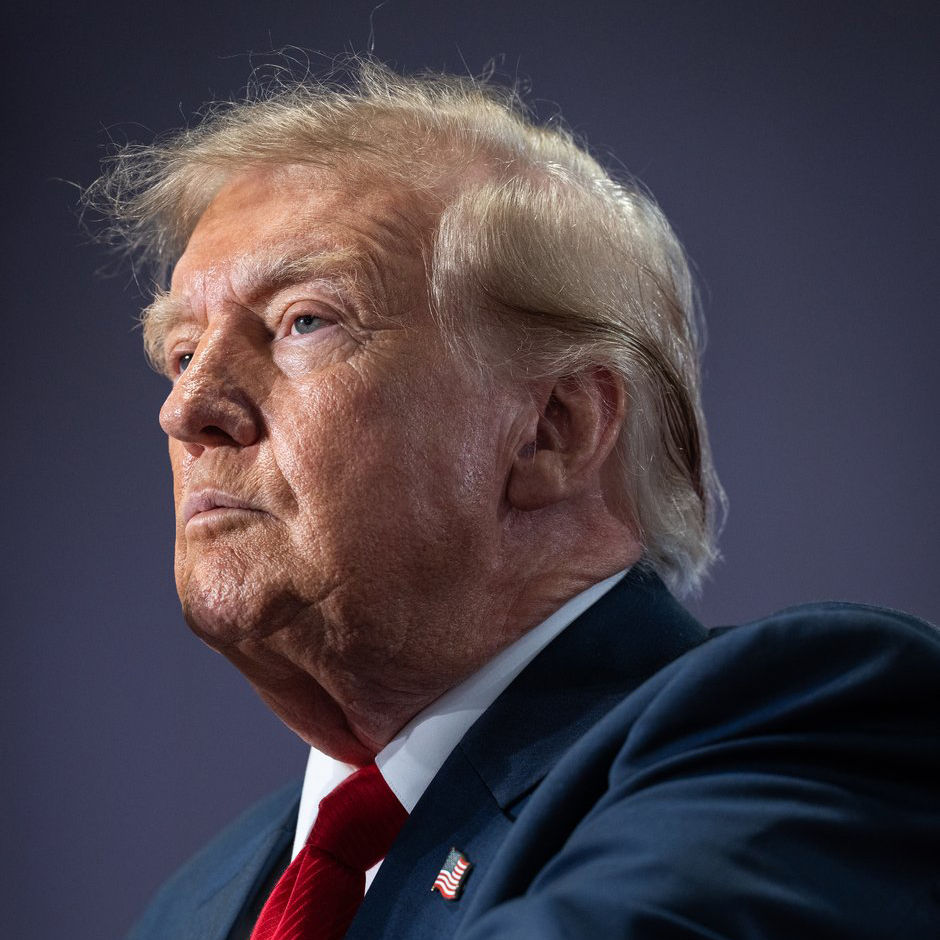
On Thursday, Tom Homan, the White House border czar, declared the operation a success, saying that “a significant drawdown has already been underway this week, and will continue to the next week.”
Homan said he had made arrangements for U.S. Immigration and Customs Enforcement agents to have more access to inmates at county jails in Minnesota, and he described conversations with state officials as productive. He did not immediately provide examples of newfound cooperation on immigration matters from local jurisdictions.
“As a result of our efforts here, Minnesota is now less of a sanctuary state for criminals,” Homan said.
Minnesota Gov. Tim Walz, who described the operation as “an unprecedented federal invasion in all aspects of life,” said he was “cautiously optimistic” after the announcement by Homan. Walz said there had been no change in state policy on immigration enforcement. The sheriff’s office in Hennepin County, which operates the largest jail in the state and does not coordinate with ICE, said Thursday that its policies had also not changed.
“They left us with deep damage, generational trauma,” Walz said. “They left us with economic ruin in some cases.”
And many local leaders qualified their relief with suspicion, urging residents not to let down their guard immediately.
“I’ll believe it when I see it,” said Elliott Payne, the president of the Minneapolis City Council.
The influx of agents to Minnesota, which the administration named Operation Metro Surge, began around Dec. 1. But it picked up intensity after the new year, and the fatal shootings of Renee Good, a poet and mother of three, and Alex Pretti, an intensive-care nurse, set off protests across the country.
The Trump administration rushed to cast Good and Pretti as domestic terrorists, persisting even when some of its claims were contradicted by videos. Also last month, an agent shot and wounded a Venezuelan man who officials said was in the country illegally and had resisted arrest.
Bipartisan concern about the killing of Pretti, who was shot Jan. 24, led to something of a tone shift. Gregory Bovino, the Border Patrol commander who had been leading the crackdown, was removed and Homan was dispatched to Minnesota, where he struck a more conciliatory tone and vowed to focus agents’ attention on immigrants lacking legal status who had arrests or convictions on their records.
On Thursday, Homan thanked by name some of the Minnesota officials who have been singled out for criticism by others in the Trump administration. He said President Donald Trump had agreed to the decision to wind down the operation.
“We’ve seen a big change here in the last couple weeks,” Homan said. “And it’s all good changes.”
Some in Minnesota described the operation’s end as a victory for the residents who protested and filmed immigration agents even when they faced legal and physical threats.
“It’s clear that the commitment of our neighbors made it untenable for ICE and federal agents to continue to operate its occupation of our city and state,” Jason Chavez, a member of the Minneapolis City Council, wrote in an email to residents. “This isn’t as a result of capitulation from elected leaders.”
Homan said that the drawdown should not be seen as a sign of the administration changing its stance on immigration enforcement.
“President Trump made a promise of mass deportation, and that’s what this country is going to get,” Homan said.
Even as Homan and local officials began meeting behind closed doors, the Trump administration remained at odds with Minnesota leaders over policies that limit cooperation on immigration enforcement. Although Minnesota does not have sweeping statewide “sanctuary” measures for immigrants, federal officials have complained about limited access to immigrants held in county jails and about municipal limits on cooperation in Minneapolis and St. Paul.
The Trump administration has repeatedly defended its work in Minnesota as a necessary response to that limited cooperation, as well as to widespread fraud in state welfare programs. State and city leaders filed a lawsuit claiming that the operation was an unconstitutional violation of state sovereignty but failed to persuade a judge to grant an injunction. Minnesota officials have also asked for state officers to be allowed to join federal agents in their investigations into Pretti’s and Good’s killings, but have so far been rebuffed.
From the beginning of the deployment, residents in the heavily Democratic Twin Cities had formed neighborhood chat groups and started informal patrols to monitor and sometimes confront immigration agents.
Federal officials said those protesters had often crossed the line into obstruction or violence, and several of them were charged with federal crimes. Activists accused federal officials of systematically using threats, tear gas and physical force against nonviolent protesters and of squelching First Amendment rights. A federal judge briefly imposed restrictions on agents’ actions toward protesters last month, but her ruling was blocked by an appellate court.
Other lawsuits, which have not been resolved, accused immigration agents of illegally using racial profiling and not providing consistent access to lawyers for people who were detained. The Trump administration has denied those claims.
The practical effect of Thursday’s announcement remained somewhat unclear. Homan said last week that he was pulling about 700 agents out of the state. But in the days that followed, many residents and local officials said that immigration agents still seemed to be all around and that the region still seemed to be enmeshed in the crackdown.
Homan said “a small footprint of personnel” would remain in Minnesota, while most agents would be sent back to their home bases or to other locations.